

Field notes
Molos Airfield
A military airfield near Molos that becomes the principal Turkish foothold, logistics hub, and command center on Altis during the early Poseidon Crisis.
Overview
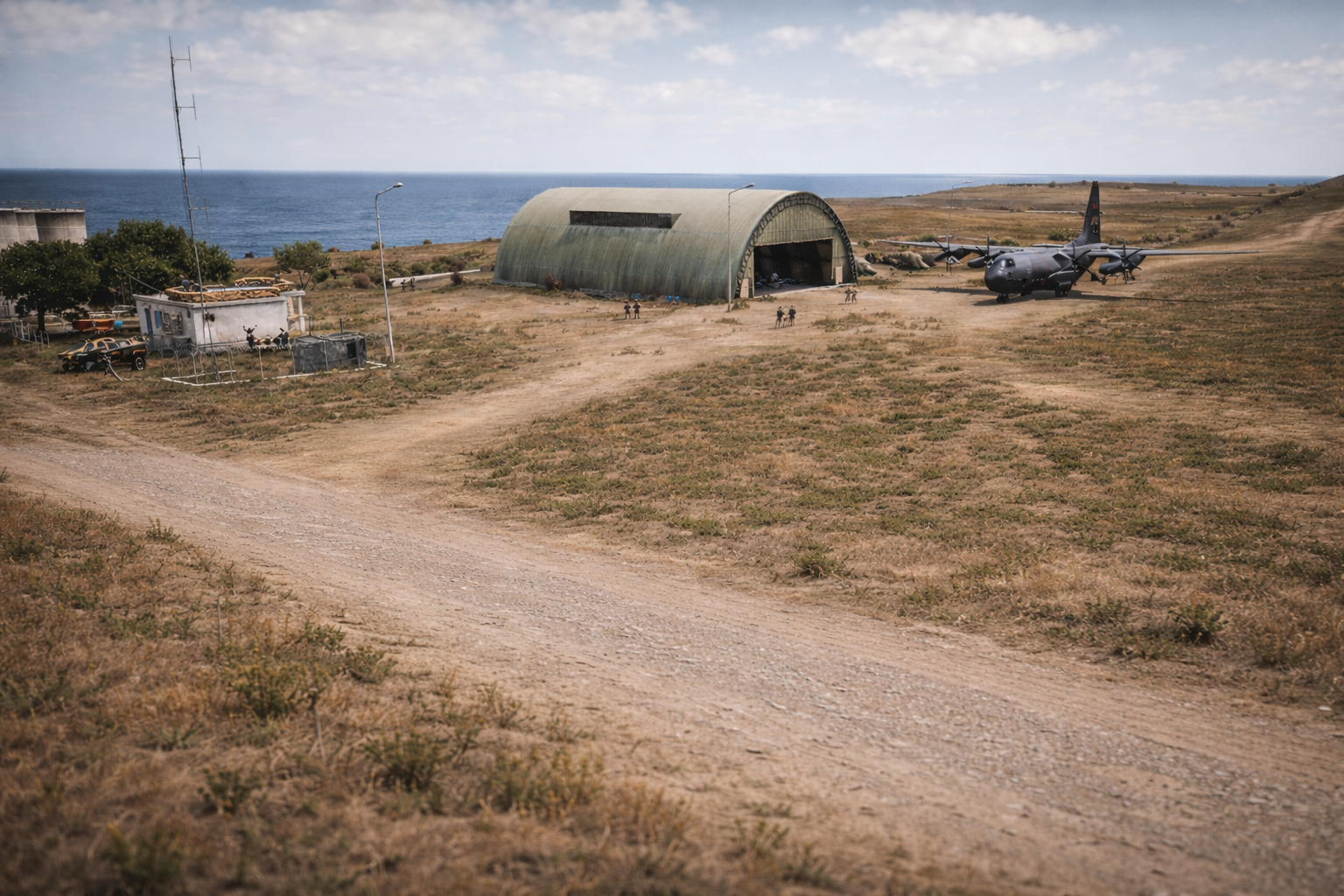
Molos Airfield is a military airfield near the town of Molos on Altis. During the early phase of the Poseidon Crisis, it became one of the most strategically important sites on the island, first as an AAF-controlled air facility and later as the principal Turkish foothold, supply point, and command center on Altis.
Its significance lies not only in its local military value, but in what it represents operationally. Once Turkish forces established themselves there, Molos Airfield became one of the clearest symbols of the crisis shifting from covert destabilization and insurgent warfare into overt foreign intervention. That wider turning point is covered more directly in Turkish Landing on Altis.
Location
The airfield is positioned near Molos in northern Altis, in an area where road access, nearby settlements, and surrounding military movement make it an important node for force concentration and rapid response. Its location allows whoever controls it to support operations across a large section of the northern half of the island while maintaining an air-accessible logistics point close to contested ground.
That geographic position matters because Altis is an island crisis zone. Airfields are not merely transport facilities; they are gateways for reinforcement, resupply, command mobility, and visible control.
Role Before the Turkish Seizure
Before it fell into Turkish hands, Molos Airfield served as part of the military infrastructure of the Republic of Altis and Stratis. In the early crisis period, sites like this helped the AAF sustain internal security operations, move personnel, and preserve a functioning military presence in regions where state control was already under strain.
Its importance increased further after the Destruction of the Northern Radar Installation, when the AAF was forced to respond to worsening instability while operating with reduced clarity over threats developing in the island’s northern sector.
Role in the April 13 Operation
On April 13, 2025, Molos Airfield became the hidden center of a larger operation unfolding behind the fighting elsewhere on Altis. While the AAF remained heavily focused on ongoing operations in the western highlands, Sigma Team was used in Molos to sabotage local power infrastructure and draw police and military personnel away from the airfield.
That diversion was critical because it reduced immediate pressure on the site while a broader move was unfolding. Fighters such as Andreas Markakis, Lukas Rigas, and Dorian Leventis appear to have understood only the tactical layer of the mission. The strategic purpose of the operation was revealed only afterward, when Turkish forces were found in control of the airfield and Arda Aydin was revealed openly.
Analysts later tied the seizure to the earlier Destruction of the Northern Radar Installation. With northern surveillance degraded by the April 6 raid, the Republic may have had less warning time and less visibility over movements associated with the Molos operation. That possibility is one of the clearest reasons the airfield seizure is now viewed not as an isolated surprise, but as the follow-on phase of a wider coordinated design.
Turkish Seizure and Strategic Role
Following its seizure, Molos Airfield emerged as the main Turkish military position on Altis. In operational terms, it served three closely linked functions: a forward logistics hub, a secure command location, and a political symbol of Turkish presence on the island.
As a supply point, the airfield offered Turkey a reliable entry node for personnel, materiel, and sustainment. As a headquarters, it gave Turkish commanders a defensible and centrally useful site from which to direct subsequent operations and coordinate local allies. And as a symbol, it demonstrated that Turkish involvement in the crisis was no longer deniable or indirect.
This is what gives Molos Airfield its lasting importance in the campaign. It is not simply the site of a reveal scene. It is the location through which Turkish power on Altis becomes materially real.
Immediate Operational Value
The significance of Molos Airfield became even clearer in the hours immediately after its seizure. Repeated flights continued moving in and out of the airfield, and Turkish forces used it not only as a symbol of presence but as the practical hub from which they could build combat power on the island and push inland.
Later that same day, Colonel Konstantinos Drakos was killed after a failed meeting tied to Brigadier General Arda Aydin, and Turkish attacks widened against nearby AAF positions. In that context, Molos Airfield appears not as a static prize but as the operational base enabling the first direct clashes of the new phase of the war.
That is why the airfield remains so central in the setting. Whoever held Molos Airfield did not merely control an airstrip. They controlled the main entry point through which the military balance on Altis could be altered in real time.
Significance in the Poseidon Crisis
The strategic meaning of Molos Airfield extends beyond one operation. Its fall marked the point at which the Poseidon Crisis ceased to be interpretable as only an internal conflict sharpened by covert support. Once the airfield became a Turkish foothold, the struggle over Altis also became a contest over sovereignty, military access, logistics, and the future control of the Poseidon Reserve.
For that reason, Molos Airfield is one of the most important fixed locations in the early history of the crisis. It serves as both a military objective and a turning-point site in the wider narrative of how Altis moved from destabilization to open international confrontation.
Related reporting
Read the wider story around this reference page
These linked reports and operations connect this reference page to the campaign developments and episodes where the story moves.
Flights Continue Into Molos as Turkish Position Grows
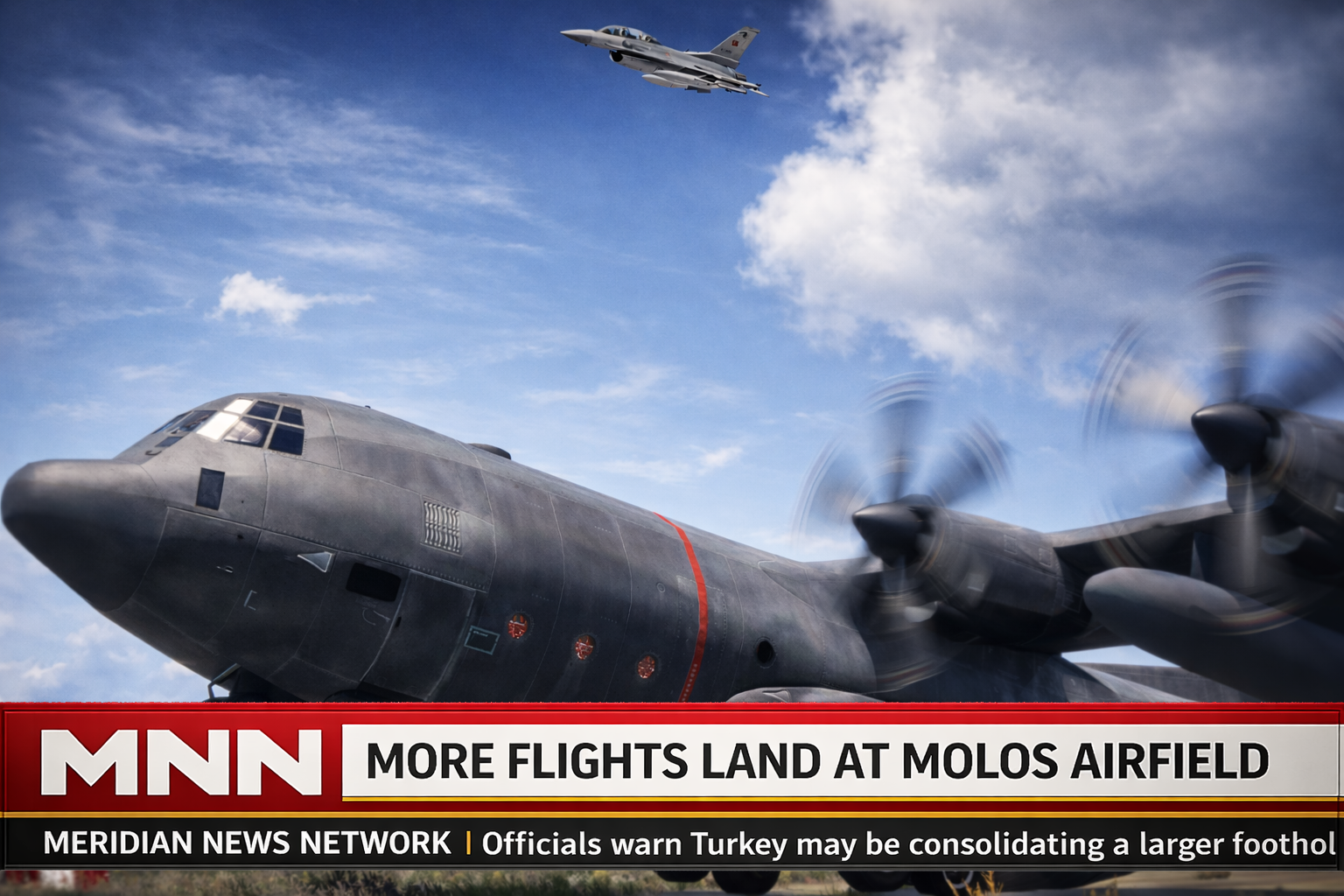
Repeated transport flights into Molos Airfield are fueling fears that Turkey is reinforcing for a larger operation rather than holding a limited position.
Turkey Warns Altis Instability Puts Poseidon Reserve at Risk
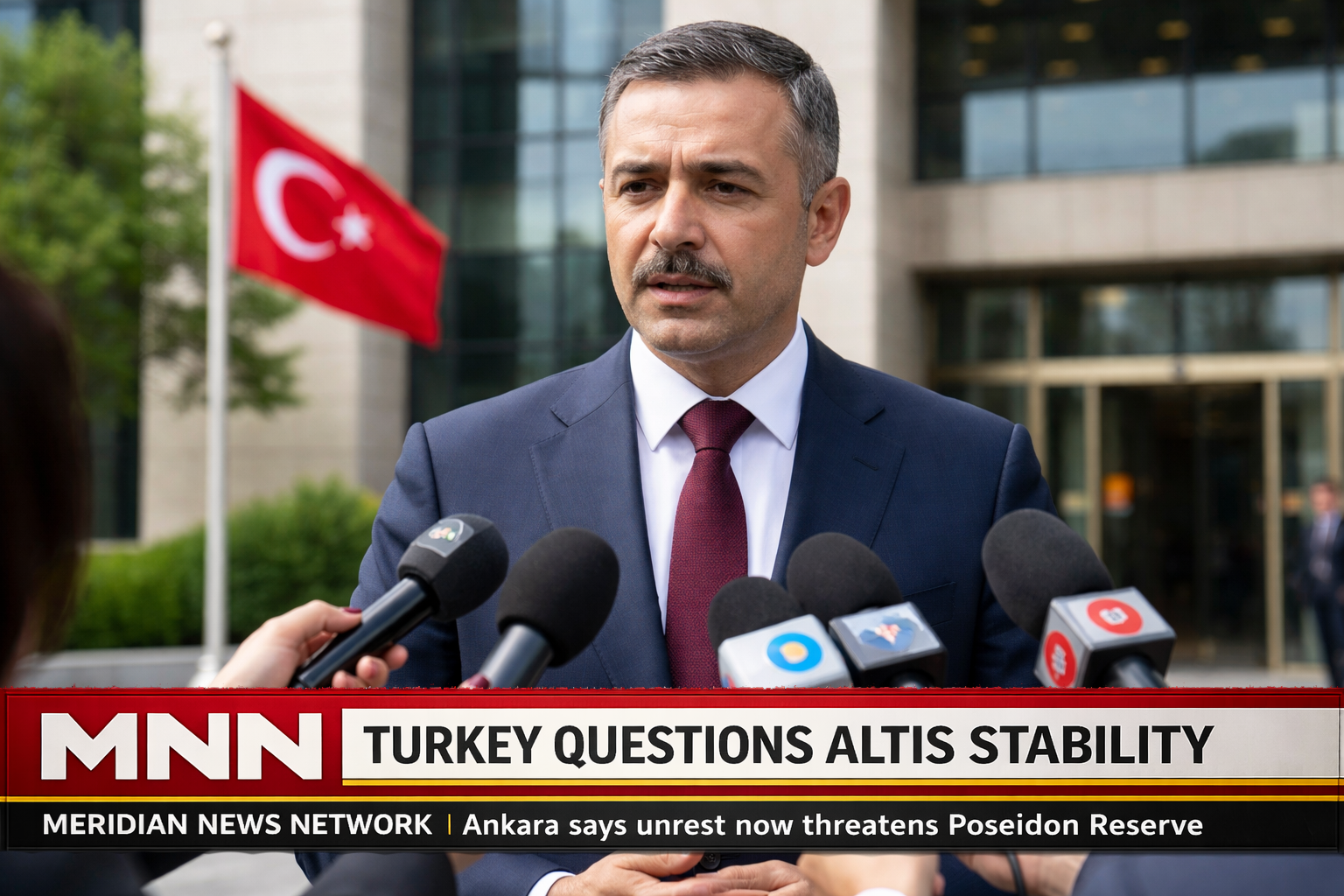
Turkish officials say worsening disorder on Altis now threatens regional energy security and the safety of critical infrastructure tied to the Poseidon Reserve.
Republic Denounces Turkish Presence at Molos Airfield
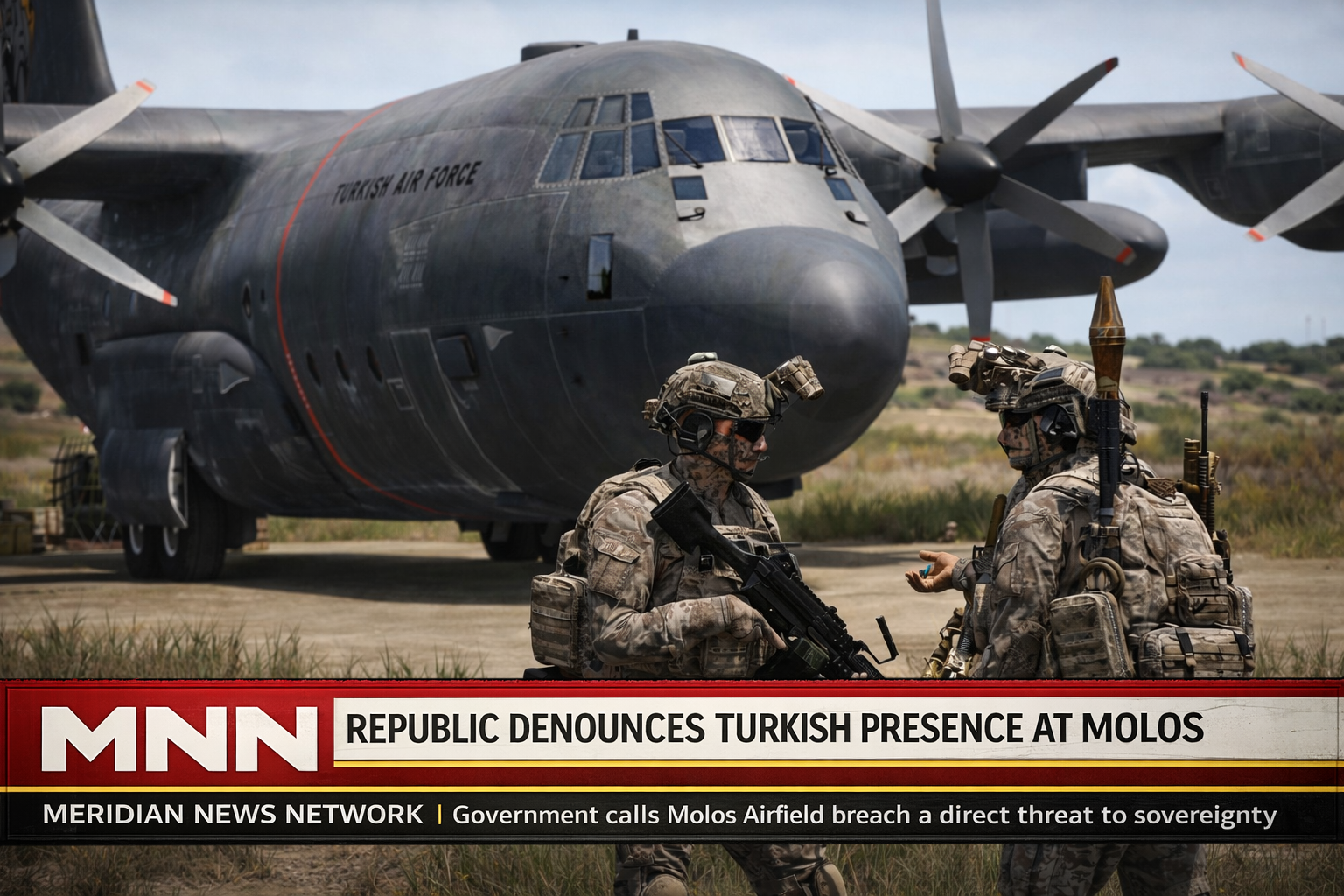
The government of Altis and Stratis says Turkish forces have established an unlawful position at Molos Airfield, marking the clearest rupture yet between covert pressure and open intervention.