


Field notes
Greece
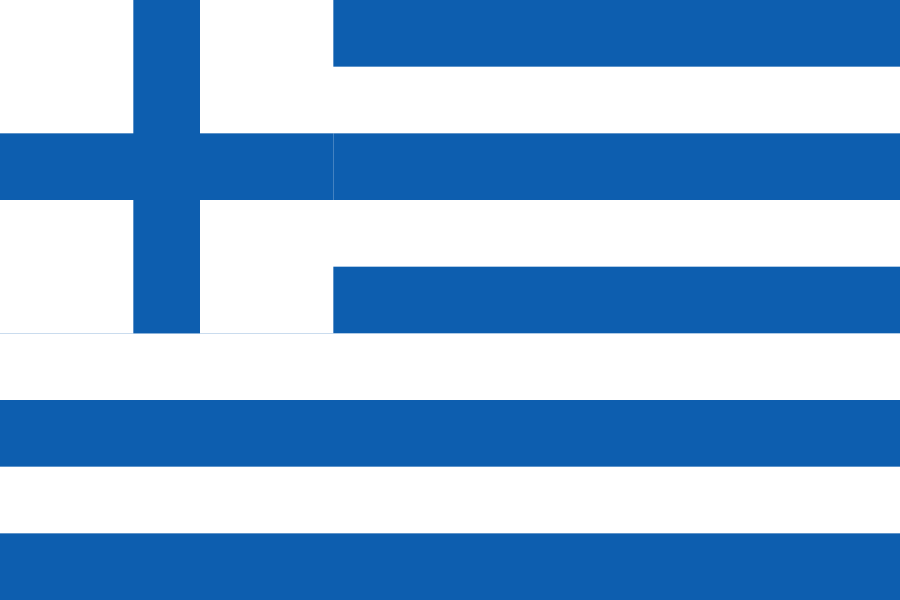
NATO member and regional power whose close relationship with Altis and concern over the Poseidon Reserve drew it quietly deeper into the Poseidon Crisis.
Overview
Greece is a NATO member and eastern Mediterranean state whose relationship with Altis gives it a direct stake in the outcome of the Poseidon Crisis. Long before open war broke out on the island, Greece was already one of the outside powers most concerned with Altian instability, Turkish influence, and the strategic consequences of the Poseidon Reserve.
In the War is Hell setting, Greece is not initially portrayed as a belligerent openly entering the conflict. Its role is instead defined by strategic caution. Athens wants to preserve influence, prevent Turkish domination of Altis, and protect access to a changing regional energy picture without triggering a wider confrontation it cannot control politically.
Relationship with Altis
Greece maintains close political, military, and historical ties with the Republic of Altis and Stratis. These ties do not make Altis a Greek dependency, but they do help explain why Athens views the island as more than a distant partner. Altis sits inside a strategic environment Greece already considers sensitive, and any major shift in who controls the island, its infrastructure, or its future alignment has direct implications for Greek security planning.
That relationship also shapes perception. To many outside observers, especially in Ankara, Greek support for the Republic can be read less as ordinary partnership and more as a form of strategic positioning. This makes even limited cooperation politically fraught.
Interest in the Poseidon Reserve
The Discovery of the Poseidon Reserve in 2024 increased Greece’s interest in Altis considerably. The reserve raised the island’s value not only as a political partner, but as a factor in future regional energy access, maritime influence, and infrastructure planning.
From Athens’s perspective, the reserve did not simply create an economic opportunity for Altis. It also created a strategic contest in which the island’s stability, alignment, and sovereignty became harder to separate from the wider balance of power in the eastern Mediterranean.
Rivalry with Turkey
The most obvious external pressure on Greek policy during the crisis comes from Turkey. Although both states remain within NATO, their rivalry over influence, security positioning, and future control of regional energy routes gives Altis outsized importance. As Turkish involvement on the island became harder to hide, Greece had to weigh the risks of doing too little against the risks of being seen to intervene too openly.
This rivalry matters because it helps define the limits of Greek action. Athens cannot treat Altis as a purely local crisis once Turkish aims become clearer, but neither can it respond carelessly without risking a wider diplomatic or military escalation.
Public Position During the Crisis
In public, Greece favored stability, formal cooperation, and the preservation of Altian sovereignty. It had reason to avoid language that could be framed as preparation for direct intervention, especially while the crisis was still understood primarily as internal unrest mixed with suspected outside manipulation.
Even after Turkish military involvement became visible, Greece still had incentives to move carefully. Open entry into the war would have carried major diplomatic consequences, complicated NATO politics, and risked validating Turkish claims that outside actors were internationalizing the conflict for their own ends.
Covert Advisory Role
By the night of April 16, 2025, Greek involvement had clearly moved beyond public concern and private diplomacy. A covert insertion of Greek special forces advisers onto Altis, carried out by submarine and concealed from public view, showed that Athens had decided the Republic needed more direct support than open statements alone could provide.
This did not amount to an acknowledged Greek declaration of war against Turkey. The advisers were inserted in a deniable capacity, tasked with supporting the AAF indirectly rather than engaging Turkish forces openly. Even so, the mission marked an important escalation: Greece had become a physical presence inside the conflict, however carefully disguised that presence remained.
Historical Role
In historical terms, Greece serves as the most important outside counterweight to Turkish influence during the early Poseidon Crisis. It represents the point at which the struggle over Altis and the Poseidon Reserve begins to pull more than one regional power into increasingly direct forms of involvement.
What makes Greece significant is not that it immediately enters the war openly, but that it shows how quickly the crisis outgrows a simple model of state versus insurgency or even Republic versus Turkey. Once Athens decides that covert advisory support is preferable to passivity, the conflict has already become something larger than a domestic collapse on an isolated island.
Related reporting
Read the wider story around this reference page
These linked reports and operations connect this reference page to the campaign developments and episodes where the story moves.
Major Gas Discovery Near Altis Signals New Era
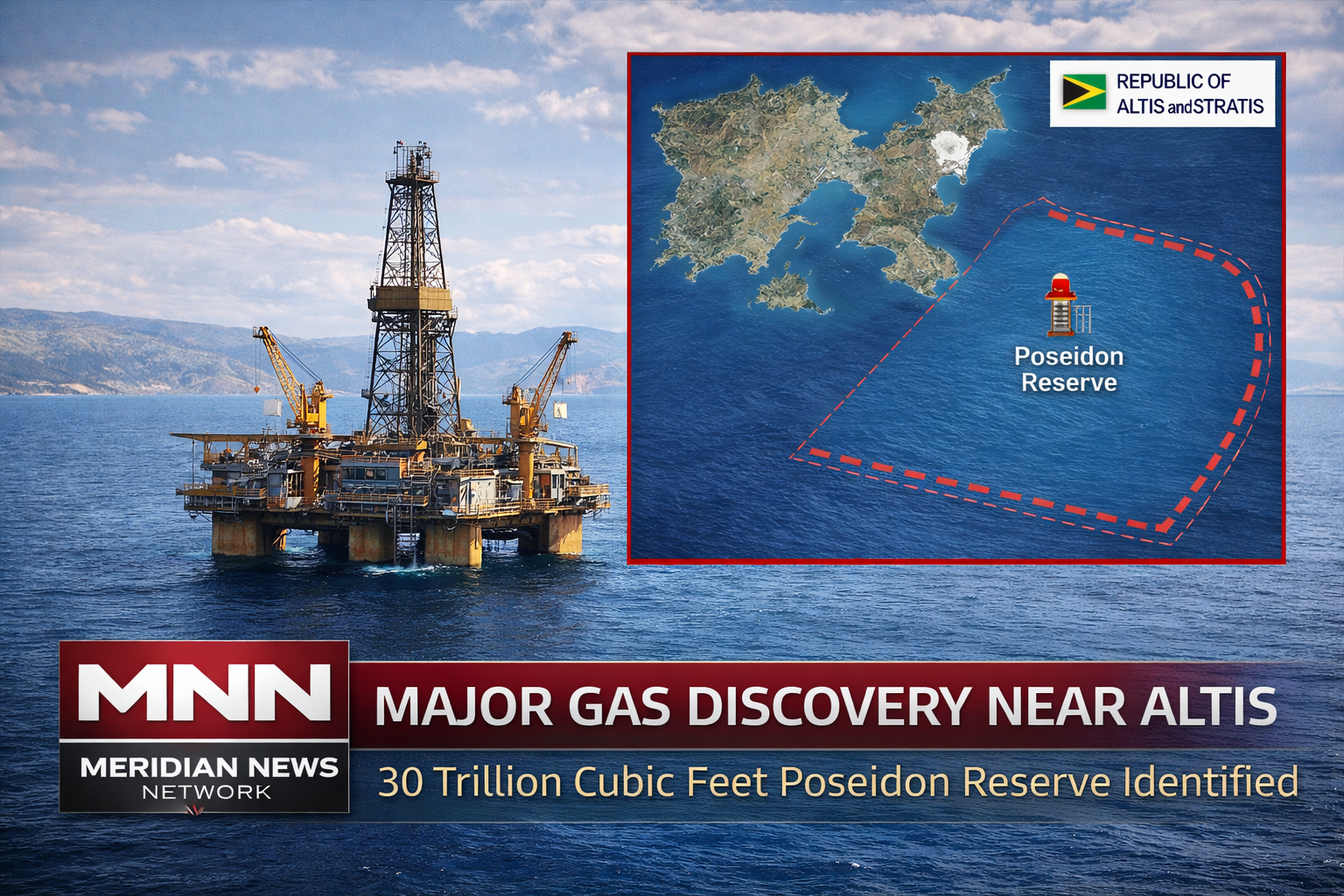
The discovery of the Poseidon Reserve positions Altis and Stratis as a major emerging energy player in the eastern Mediterranean.
Turkey Warns Altis Instability Puts Poseidon Reserve at Risk
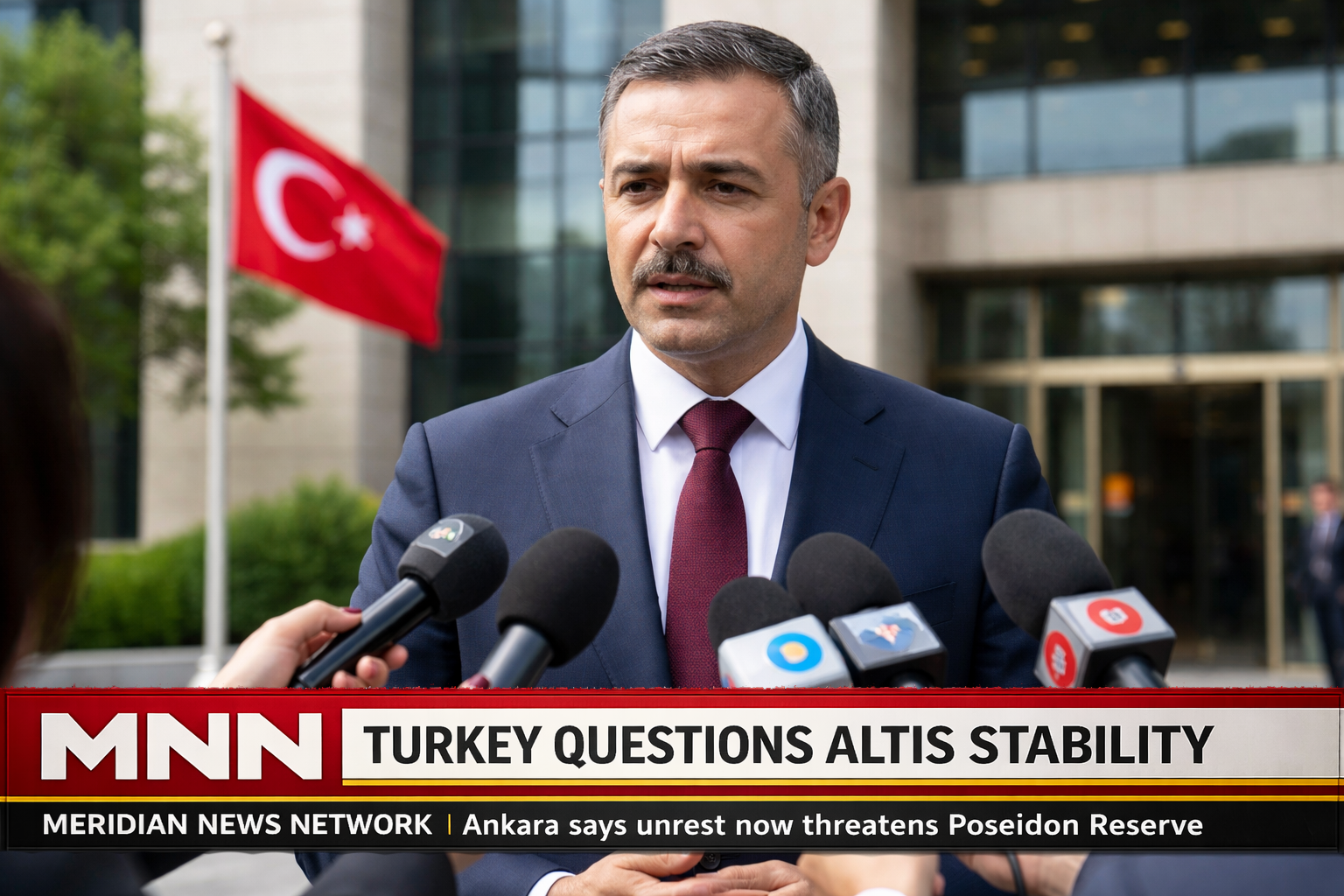
Turkish officials say worsening disorder on Altis now threatens regional energy security and the safety of critical infrastructure tied to the Poseidon Reserve.
War Breaks Out on Altis as Republic Forces Clash With Turkish Troops
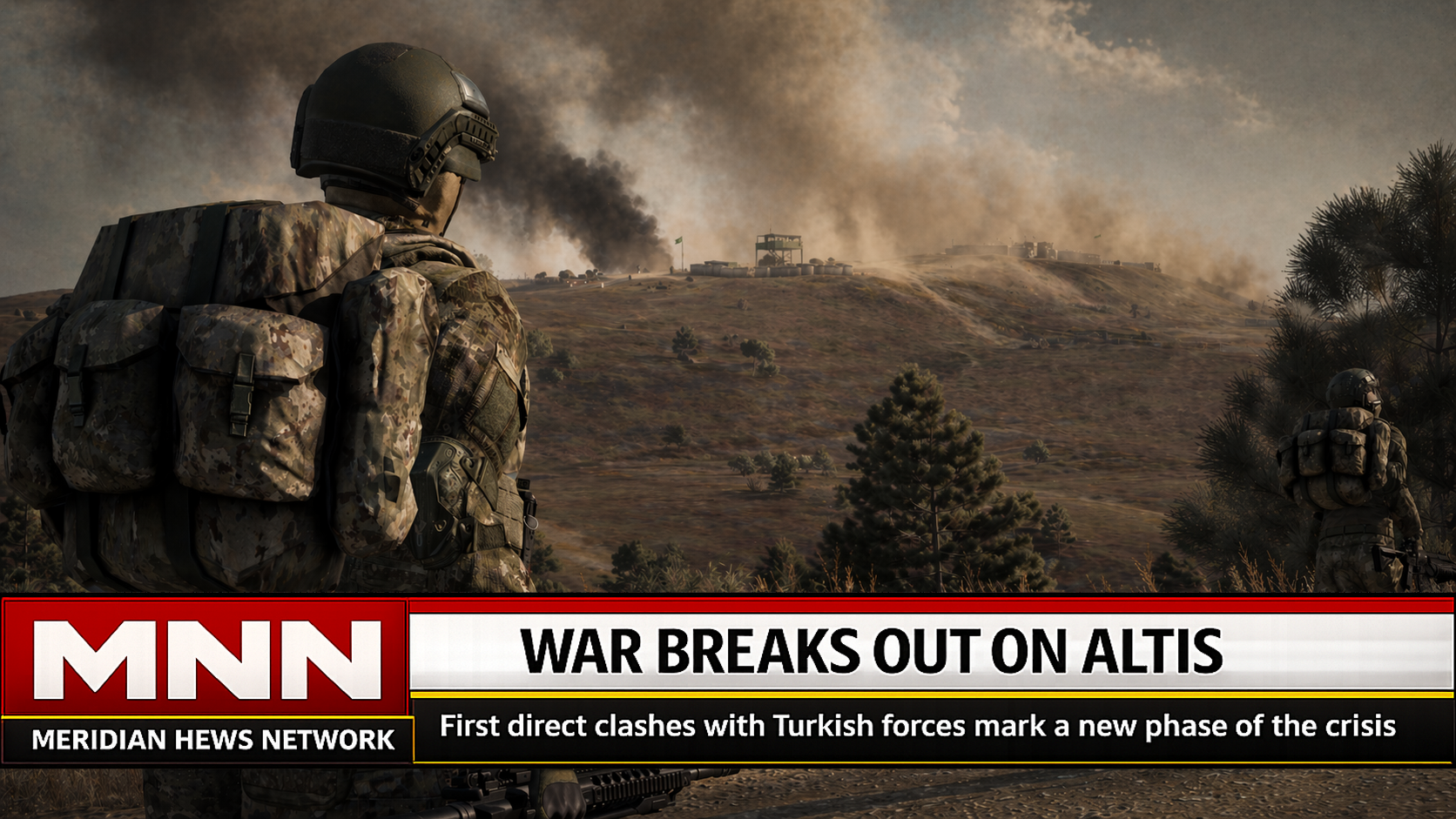
The first direct battles between Altian and Turkish forces have turned the Poseidon Crisis from open intervention into outright war on the island.